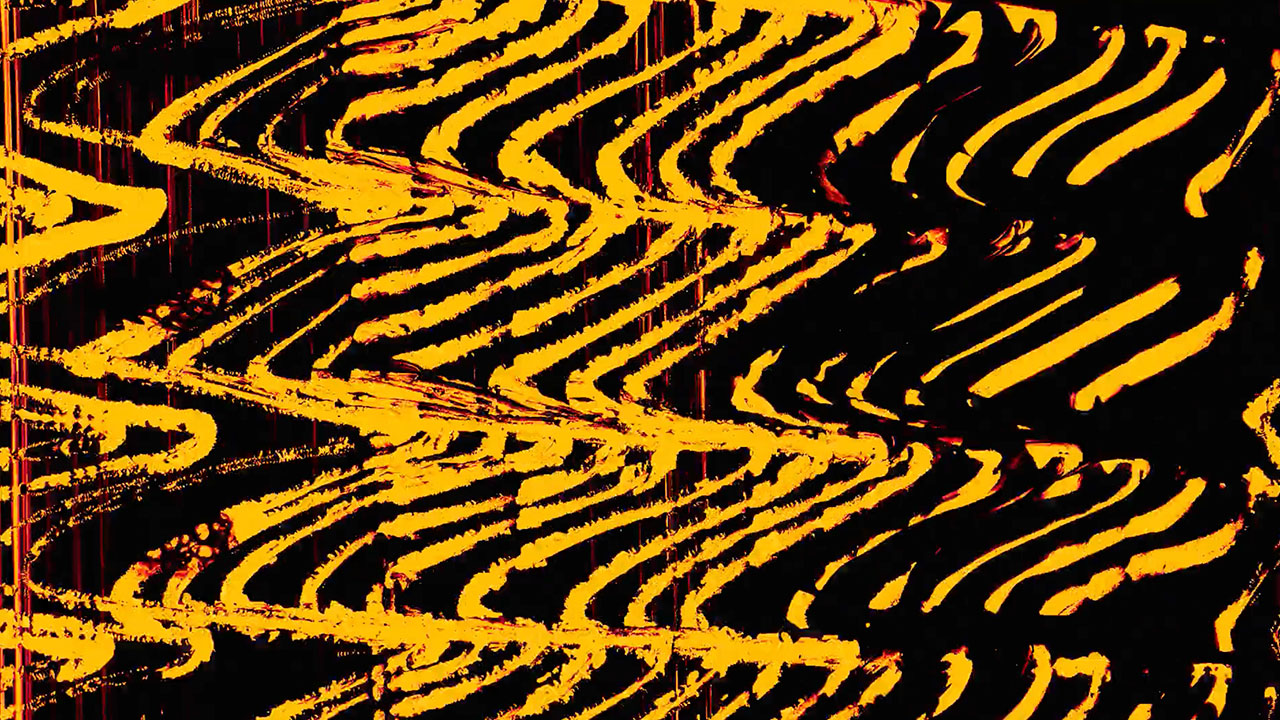

The Golden Cage (2022) video is part of a media installation based on the northern bald ibis (a.k.a “kelaynak” in Turkish), the most endangered migratory bird in the Middle East. When Palmyra fell to ISIS, the kelaynak colony, which migrates from Northeast Africa to Birecik (a small town near the Turkish-Syrian border), faced total extinction. In March 2016, the Birecik Kelaynak Reproduction Center decided not to release the birds from the confinement cages to protect them—the center has been keeping a semi-wild population since the late 1970s. The Golden Cage refers to a set of confinements amidst the never-ending catastrophes in the region; it is a poetic examination of artifacts, ruins, water bodies, and organisms spread across a highly nationalized terrain. As the embodied symbol of the state, the cage is enacted through a text translated into multiple languages to create new associations about borders, migrations, entrapments, and untranslatability.
The Golden Cage explores the regimes of representation; to be precise—the question of representation of “mute[d]” bodies; the power and the limit of representation; who speaks for whom and how? When refugee bodies, non-human bodies, caged bodies, and gendered bodies need to be “represented,” specialists take the stage for them. State officials, media intellectuals, academics, social workers, human-right activists, environmentalists, and so on, all speak a specific and usually highly decorated language. Discourses of conservation, preservation, and humanitarianism spread and solidify in media outlets. With all its actors, the state asserts its power to determine beings’ fate, poisoning and decimating some and deciding who can live freely and who must be controlled. The state commits and annihilates.
* This video was originally presented as part of an installation at Aga Khan Museum, Toronto; Mousonturm Frankfurt and DEPO Istanbul
Project page: The Golden Cage (2022)
Booklet: The Golden Cage (2022) on Academia
Website: www.hakantopal.info
From Aga Khan Museum, Toronto Exhibition Text:
Blending video, sound, text, and artifacts, The Golden Cage explores the impact of human intervention on the life of one of the most endangered bird species across the highly nationalized terrain of the Turkish-Syrian border.
Once considered sacred in ancient times, the kelaynak was thought to be the first bird released from Noah's Ark. With its bare, red face and neck, and long narrow feathers, the kelaynak faces near-total extinction due to hunting, pesticides, and human conflict. In 2016, the state-operated Birecik Kelaynak Reproduction Centre – which has kept a small population in semi-captivity since the 1970s – decided not to release the birds from their cages during the migratory season. While the aim was to protect them, their entrapment resulted in a grave disruption to their fundamental instincts and habits.
Examining the line between protection and prevention, Topal's installation explores the notion of man-made borders as cages and questions the autonomy of vulnerable people who must migrate and cross borders to survive – contemplating their ability to speak for themselves.
By projecting an epic poem written from the voice of the “protector” over video footage of the kelaynak and its habitat, the installation places you at the centre of this threatened species’ world.
The Golden Cage is a part of the Museum's Birds rotation — a deep dive into the Museum's Permanent Collection focusing on the fascinating sights and stories of the avian world and the art they've inspired throughout history.
 Add to playlist