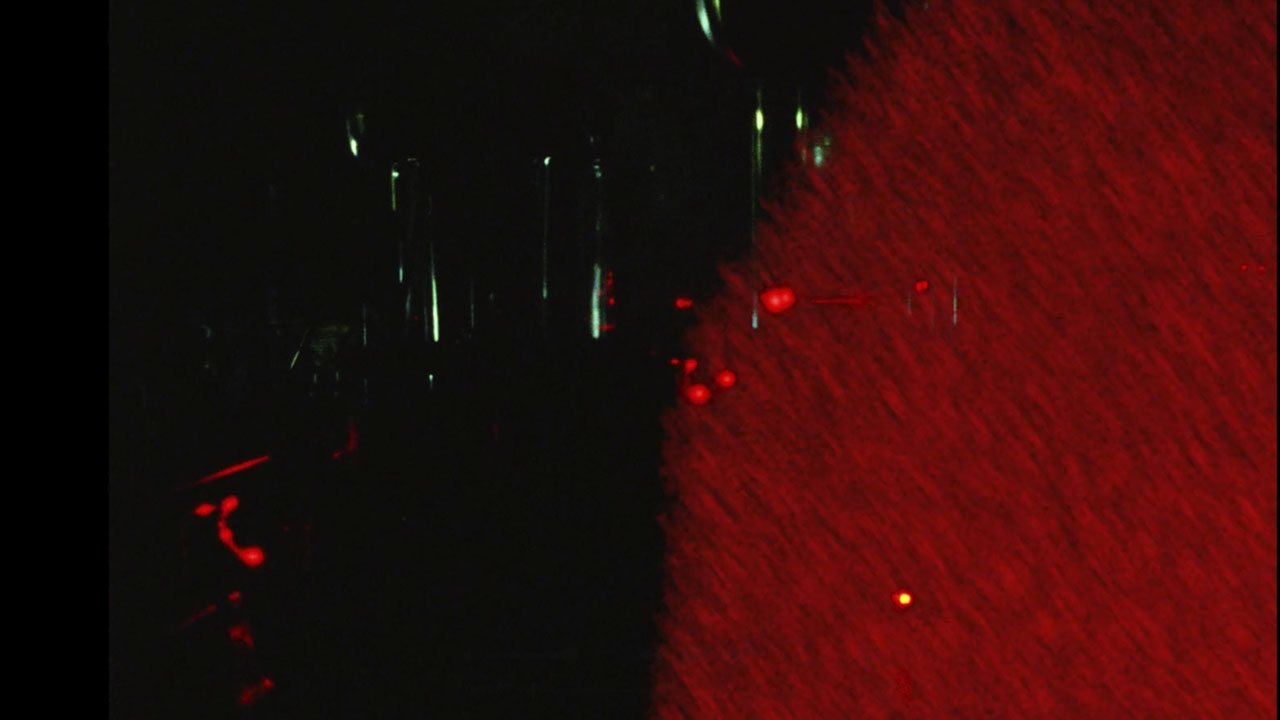
"Dun/Home" is a short experimental video about the closed border between Turkey and Armenia and the fragile possibility of coexistence within a shared geography marked by silence and historical rupture. Although the two countries share the same air, mountains, rivers, and landscapes, channels of communication remain suspended due to an unacknowledged past.
The film takes place in Ani, the ancient Armenian capital located today on the Turkish side of the border. Once one of the most powerful and culturally significant cities of the region, Ani now stands in ruins — carrying deep cultural memory for Armenians while remaining largely neglected and unknown in Turkey.
Like the two remaining pillars of the destroyed bridge at the border, two figures move through the film searching for ways of relating to one another. One arrives as a guest, an outsider listening to the space and its buried histories; the other inhabits the ruins as host. Through movement, bodily presence, touch, and listening, they attempt to approach the fragmented landscape and the memories embedded within it. Yet the film suggests that listening alone is not enough.
Coexistence requires the willingness to confront what has been destroyed and to participate in its rebuilding. In this sense, the ruins of Ani become not only witnesses of separation, but also a fragile possibility for repair.
Artist Stament
What emerges most immediately between bodies is not unity, but vulnerability shared under very different conditions: the fact of existing for a limited and unknown time within a sensing body.Before language, ideology, or identity, there is breathing, trembling, mourning, longing, and the need to be received by another presence. In "Dun/Home", I am interested in the body not only as a physical form, but as a space of perception and encounter.
The film explores whether cinema can create a sensuous experience in which the viewer does not remain distant from what is seen, but relates to it bodily — through rhythm, texture, sound, movement, and duration. This sensuous attention also carries a political dimension. Borders do not only exist geographically; they are inscribed into perception, memory, and the ways we learn to approach or avoid one another.
The film asks whether listening — to spaces, ruins, bodies, and silenced histories — can open another form of relation. At the same time, the work insists that empathy alone is insufficient. Healing cannot emerge without the gesture of acknowledging destruction and the desire to rebuild what has been damaged. The ruins of Ani therefore become more than historical remains: they become a space where absence, memory, responsibility, and the possibility of coexistence meet.
As Baruch Spinoza writes: "Peace is not an absence of war, it is a virtue, a state of mind, a disposition for benevolence, confidence, justice."
Credits
Director
Senem Gökce Oğultekin
Writer
Senem Gökce Oğultekin, Levent Duran
Producer
Stefan Gieren, Okan Avcı