

Labocine presents
by Andy Graydon · 2020 · United States
Plays Mar 12–13 · any time · 30 min
Ended
This event has wrapped. Thank you for watching.
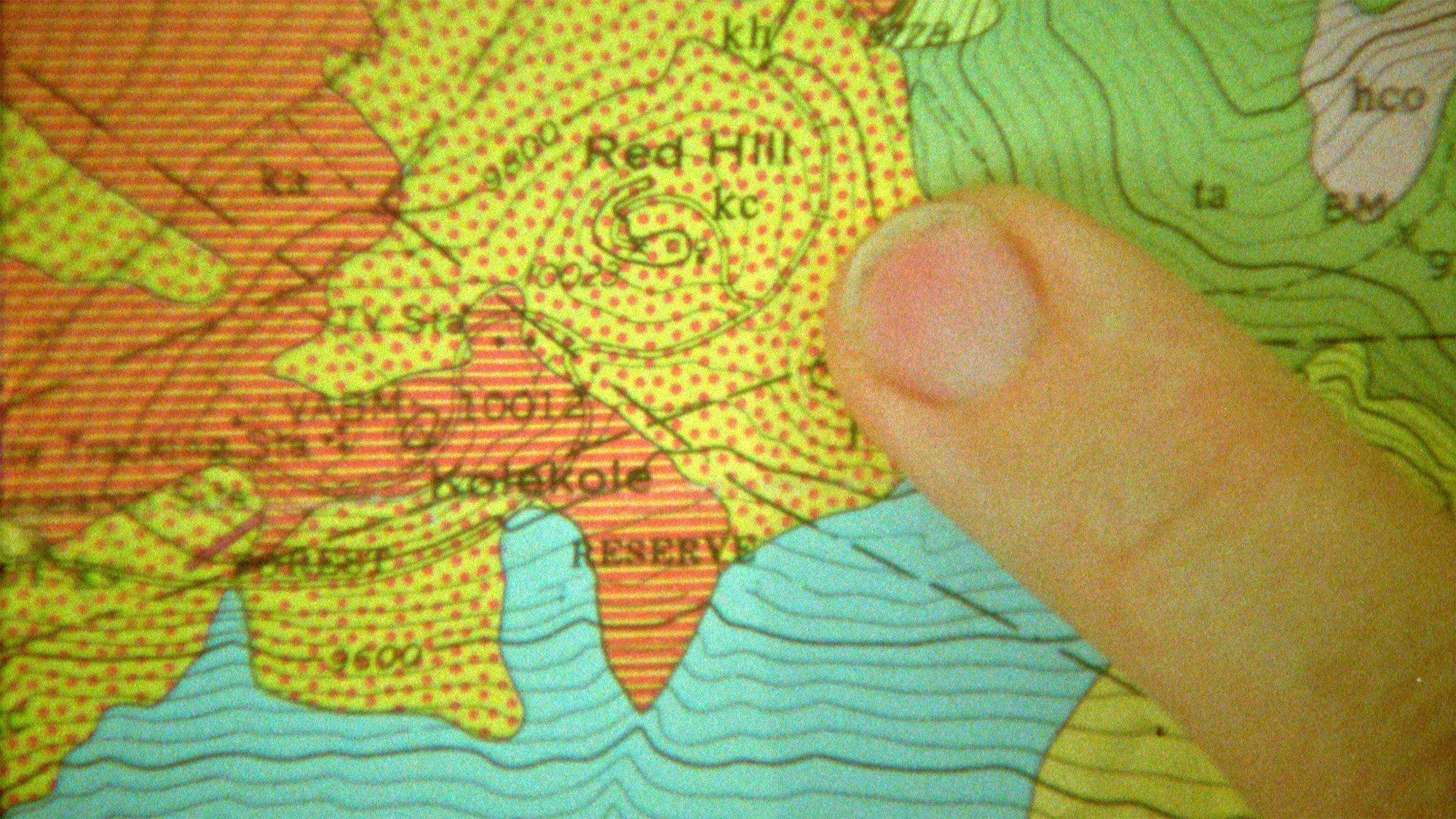
The Transect is an experimental documentary that began in 2015 when Andy Graydon first followed a pair of ecologists into the field on the island of Maui in Hawai’i. Kim and Forest Starr track the Ope’ape’a bat, the only endemic land mammal in Hawai’i and an endangered species about which little is known. To begin telling the bat’s story requires untangling a rich braid of findings and histories, beginning with the bat’s own voice: in recording ultrasonic calls, which we can’t perceive directly, a scientist must decide how to translate the calls into a form we can hear or see. Meanwhile, Forest and Kim are themselves intriguing subjects who weave many other tales and tangents about the islands, the sciences and human knowledge, language and translation. In tracing the bat through its own voicings into the complexities of its life and our shared environment, The Transect emerges as a story about how narrative traces, frames, and invests our world.
Meet the filmmaker
THE TRANSECT IN THREE OR FOUR MODES OF OBSERVATION · The archive
Meet the filmmakers
Also in the lineup
This event has closed.