

Labocine presents
how we live - messages to the family
by Gustav Deutsch · 2017 · Austria
Plays Dec 26–27 · any time · 1 h 47 min
Ended
This event has wrapped. Thank you for watching.
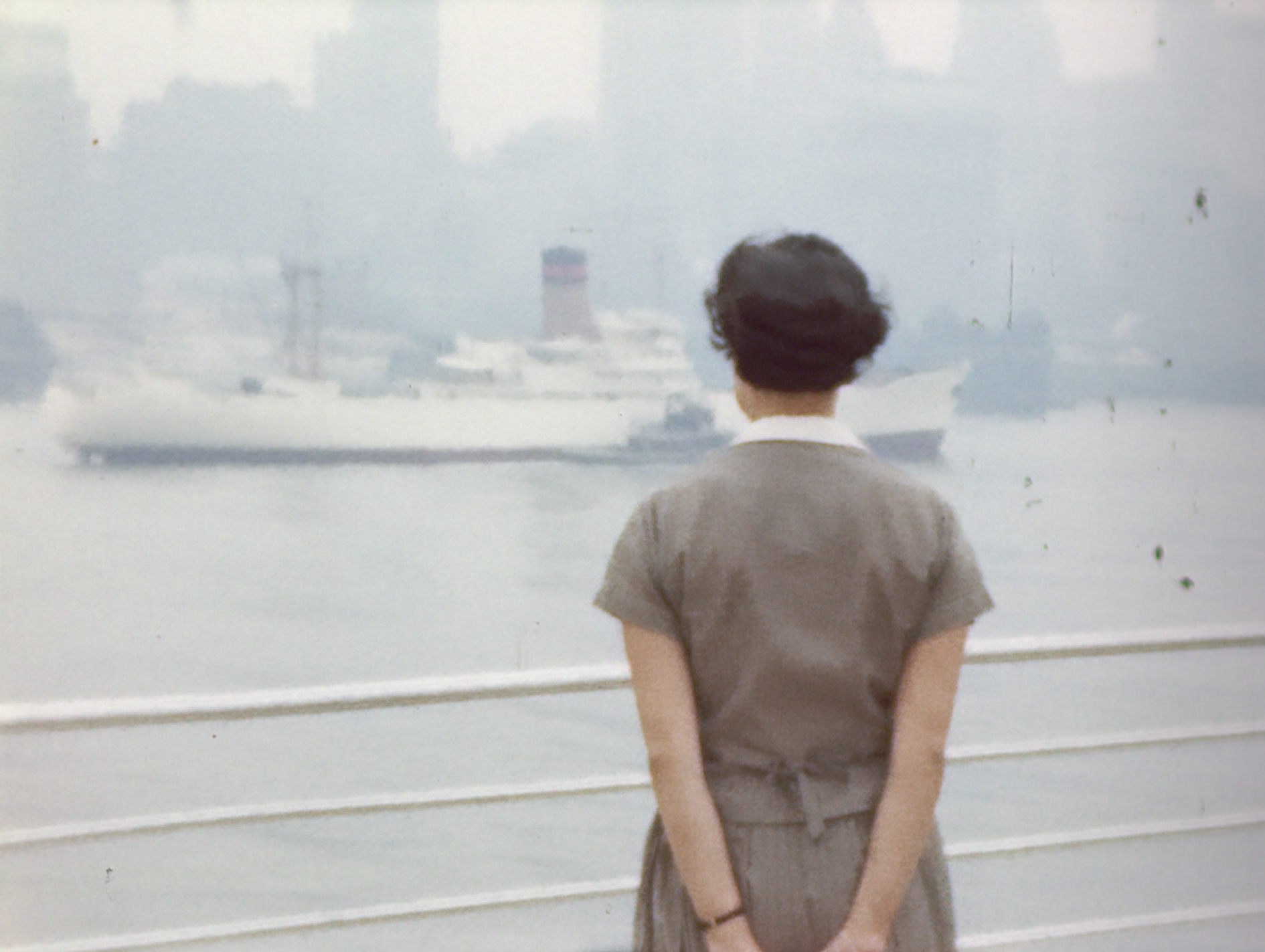
"Imagine we are sitting at home, the screen is set up, the projector ready, and we start watching home movies together," suggests the calm voice of the filmmaker Gustav Deutsch at the beginning of how we live. The film assumes this same calm as it undertakes its journey via amateur film recordings gathered from archives in Austria, Italy, Holland and England, "traveling" from Boston to Italy, from the USA to Austria´s Burgenland, from Maryland to Greece, between Vienna, Sydney and Switzerland. The film employs a broad media-archeological array in a form of letter writing: from first color home movies to video and digital cell phone images and skype. The family recordings that structure the film are like moving postcards, telling of various lives and lifepaths from the 20th century. But they also speak to the medium of film as a tool of everyday life, to a function of bridging distances that came to make the "family of man" possible as a community, its biographies increasingly marked by migratory patterns. In Film is. (1-6), Deutsch proceeded with extreme poetic precision to tell an alternative history of cinema in the style of a picture atlas constituted by scientific films. The endeavor of how we live is comparable, however it utilizes the most private ephemera of film practice. This film feels entirely different because of its contemplative air which aptly corresponds to its subject matter. You can lean back and enjoy this journey completely relaxed, trusting the storyteller, just watching the life of the other unfolding before your eyes in real time while catching correspondences and analyses hidden in every moment that touch on depths not superficially treated but highlighted between the images – in their relation to one another. The material that Deutsch has gathered is recurringly interwoven by the trip of Moroccan Mostafa Tabbou from his new home in Holland to Morocco, a journey undertaken by Gustav Deutsch with his wife Hanna Schimek and which itself becomes a home movie. And so the film produces a community not only between various people from various places, but also establishes a timeless togetherness, allowing generations of filmmakers to speak to one another and via the medium of the movie screen, to us. (Alejandro Bachmann)
Meet the filmmaker
HOW WE LIVE - MESSAGES TO THE FAMILY · The archive
Meet the filmmakers
Also in the lineup
This event has closed.