About
Archive of the Future
Aug 21–22, 2024 · Online
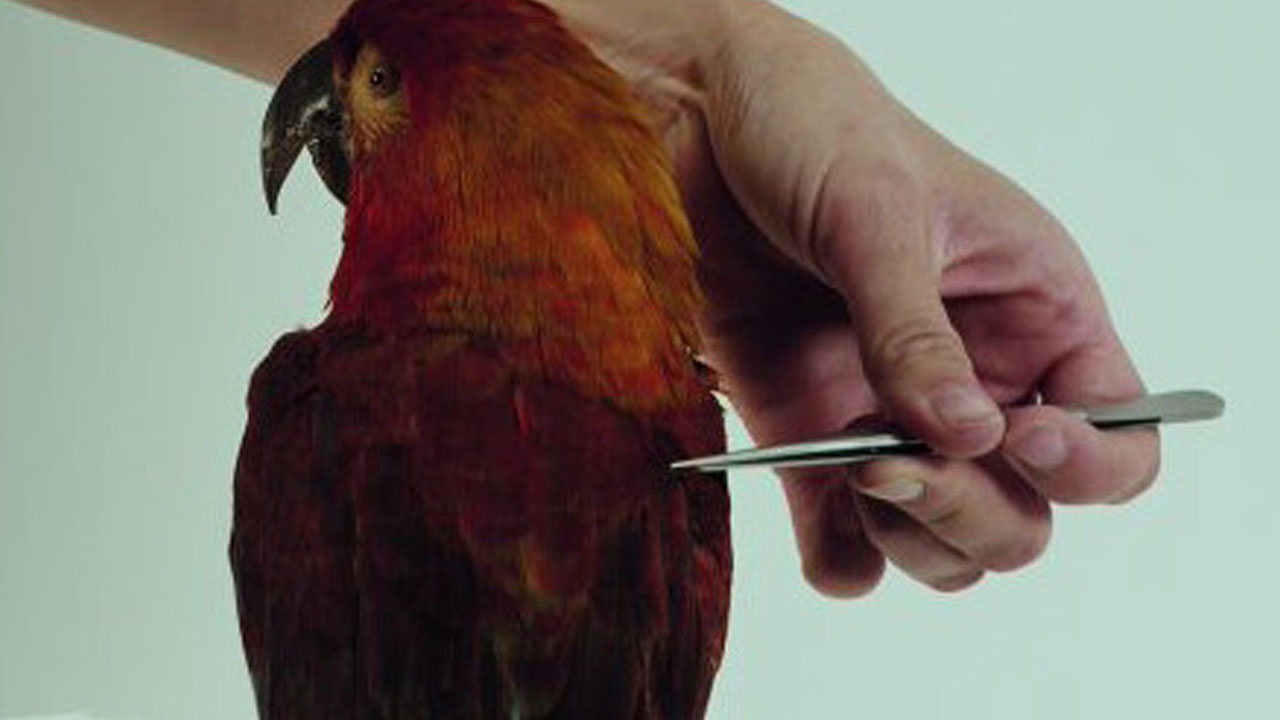
Armies of mounted beetles, arranged in rank and file. In drawers and glass containers, reptiles and birds sorted in the most magnificent forms. An almost macabre beauty is found in the catalogued sub-universes of the Natural History Museum Vienna: sub-universes that stand for the whole range of evolution and are part of the immense, expertly prepared collection of this world-renowned institution of knowledge. With an appropriately curious attitude, Joerg Burger devotes great attention to this cumulative archive of pure research for its own sake, its exhibits and underlying craftwork, but first and foremost to the people who work there, some on a voluntary basis. In reflected views of the large showcases, his camera blurs visitors and exhibits, human and ape in particular. Meanwhile, behind the scenes, filigree (archival) meets obviously exhausting (technical) craftsmanship – for example, during the assembly of the first real dinosaur skeleton for exhibitions, or the restoration of an elephant bought in the 1970s on the sort of official “business trip” that is commonly known as big-game hunting. It is in these finely nuanced moments that Burger mixes honest efforts to increase knowledge with questions of provenance and ethics in institutional practice. In the meantime, restitution and the contextualization of movement across (colonial) borders constitute an indispensable part of the research process. Even if the exhibits in the Natural History Museum Vienna speak of a frozen, past time, at present there is much in motion in the field of knowledge production and preservation. Thus, while long-extinct animal species look down on us from the screen, the mountains of data and exhibits not only conceal the stories of past and extraterrestrial worlds of life, but also many answers to the crises of our time. Archive of the Future informs us about these issues as well – in the form of a visually stunning portrait of institutions and a silent recipe book of life. (Sebastian Höglinger)